AI and Theoretical Physics
Theoretical physics relies on numerical methods, for example first-principle simulations of complex systems; and modern numerics leads us directly to scientific AI. Conversely, theoretical physics can describe neural networks as complex systems and analyze latent representations in terms of effective theory and advanced geometry. Both directions combined define our research program bridging AI and theoretical physics at Heidelberg University.

Groups
The AITP core groups work in their respective fields of physics using AI methods full time. We cover a wide range of physics, where each group combines their theoretical physics expertise with a scientific AI methodology. The AITP groups benefit from an inspiring environment of theoretical physics groups with a broad numerical methodology, as well as scientific AI groups beyond theoretical physics, with no limit to exciting synergies and collaborations.
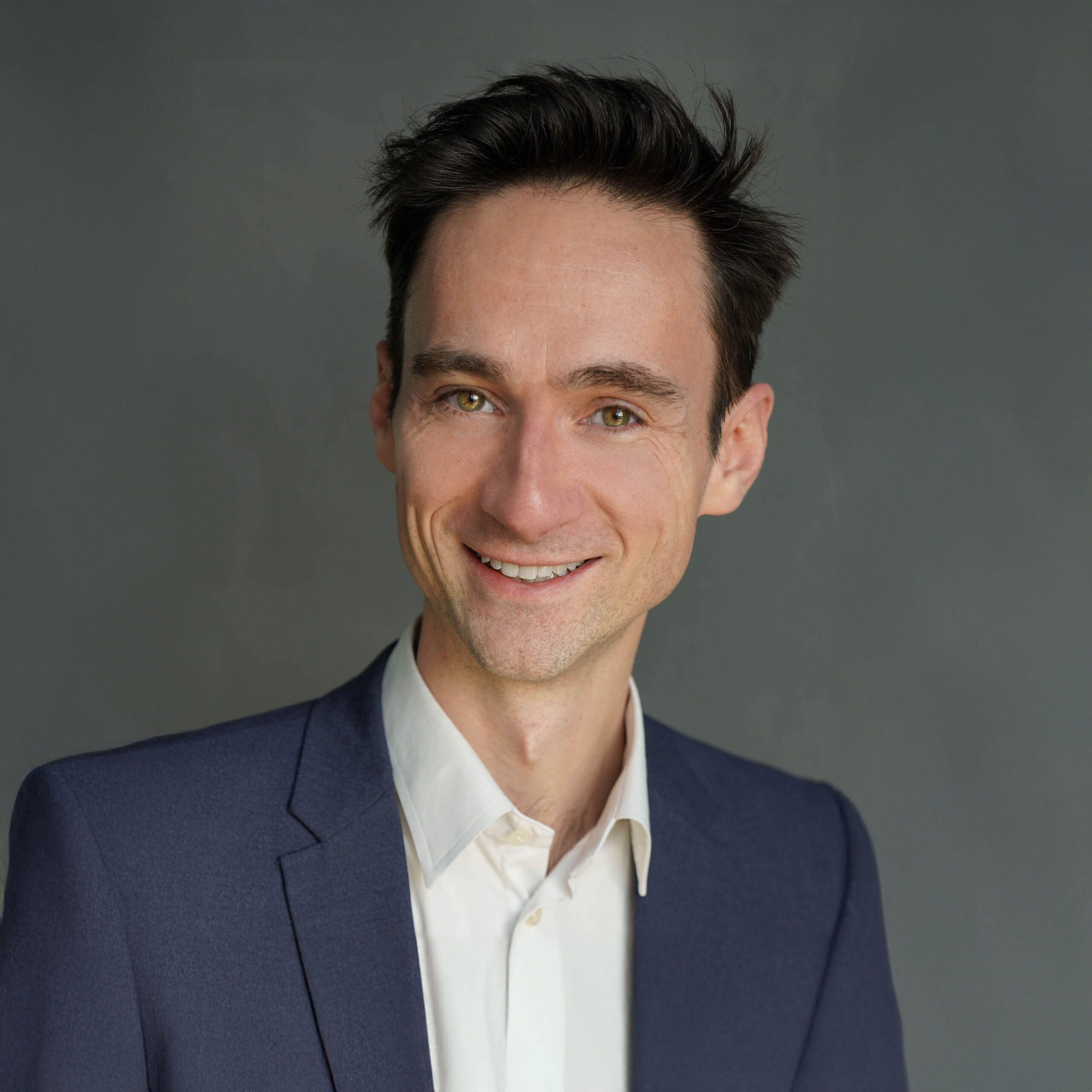
Tristan Bereau
Soft-Matter Theory

Anja Butter
LHC Phenomenology

Sascha Diefenbacher
LHC Physics
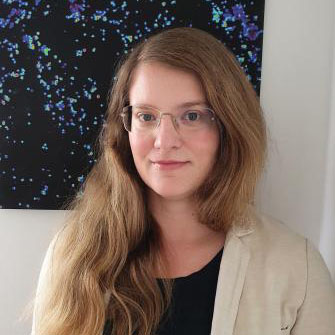
Caroline Heneka
Astrophysics & Cosmology

Tilman Plehn
Particle Theory
AI and Physics
Our scientific AI program at the Institute for Theoretical Physics is part of a much broader Heidelberg effort. Many groups at the ITP, the IWR, and beyond are applying scientific AI to, broadly speaking, physics problems:
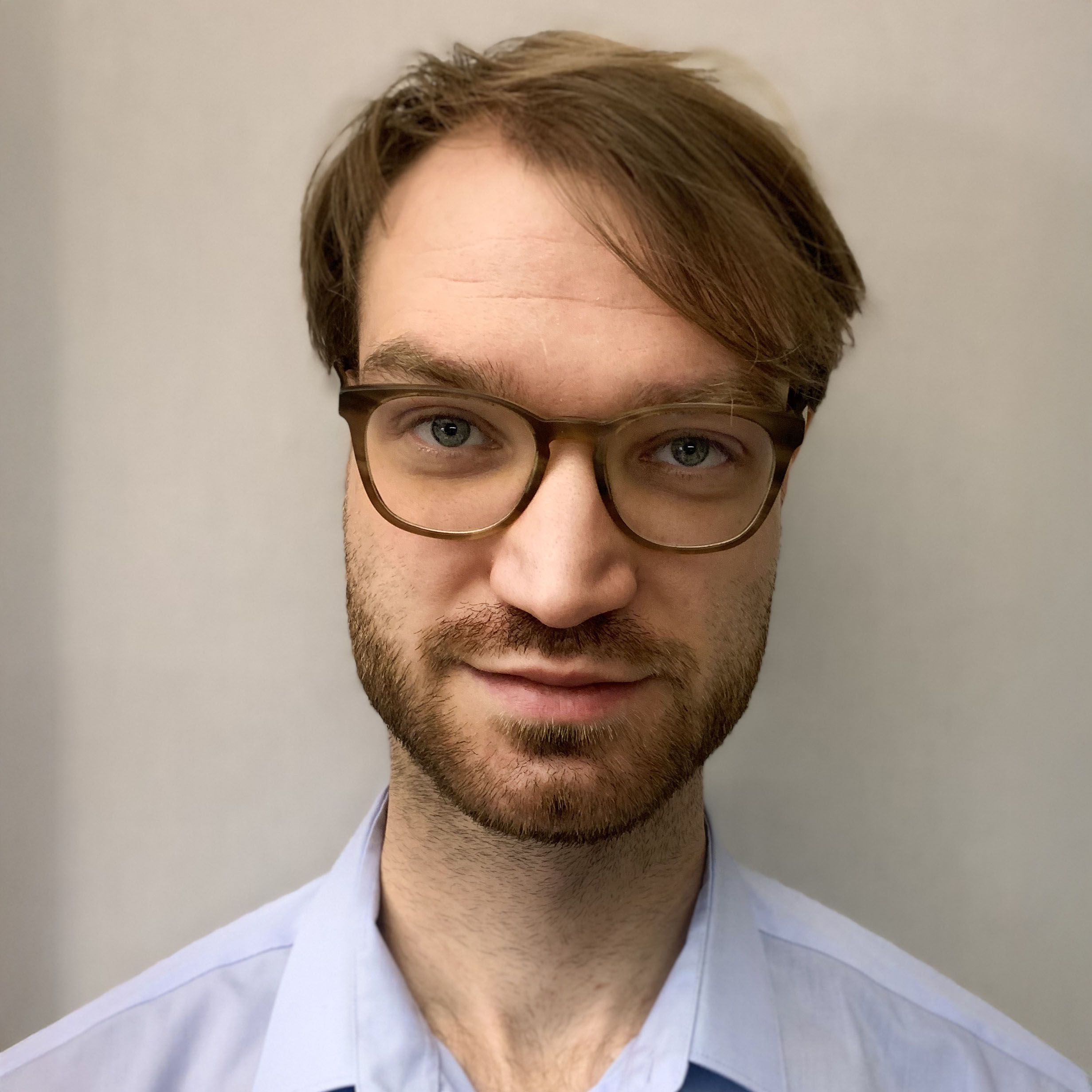
Tobias Buck
Astrophysics
Centre for Astronomy of Heidelberg University (ZAH) and Interdisciplinary Center for Scientific Computing (IWR)

Fred Hamprecht
Scientific AI
Interdisciplinary Center for Scientific Computing (IWR)

Jürgen Hesser
Modeling in Medicine
Institute for Intelligent Systems in Medicine (MIISM)

Ralf Klessen
Star Formation
Centre for Astronomy of Heidelberg University (ZAH)
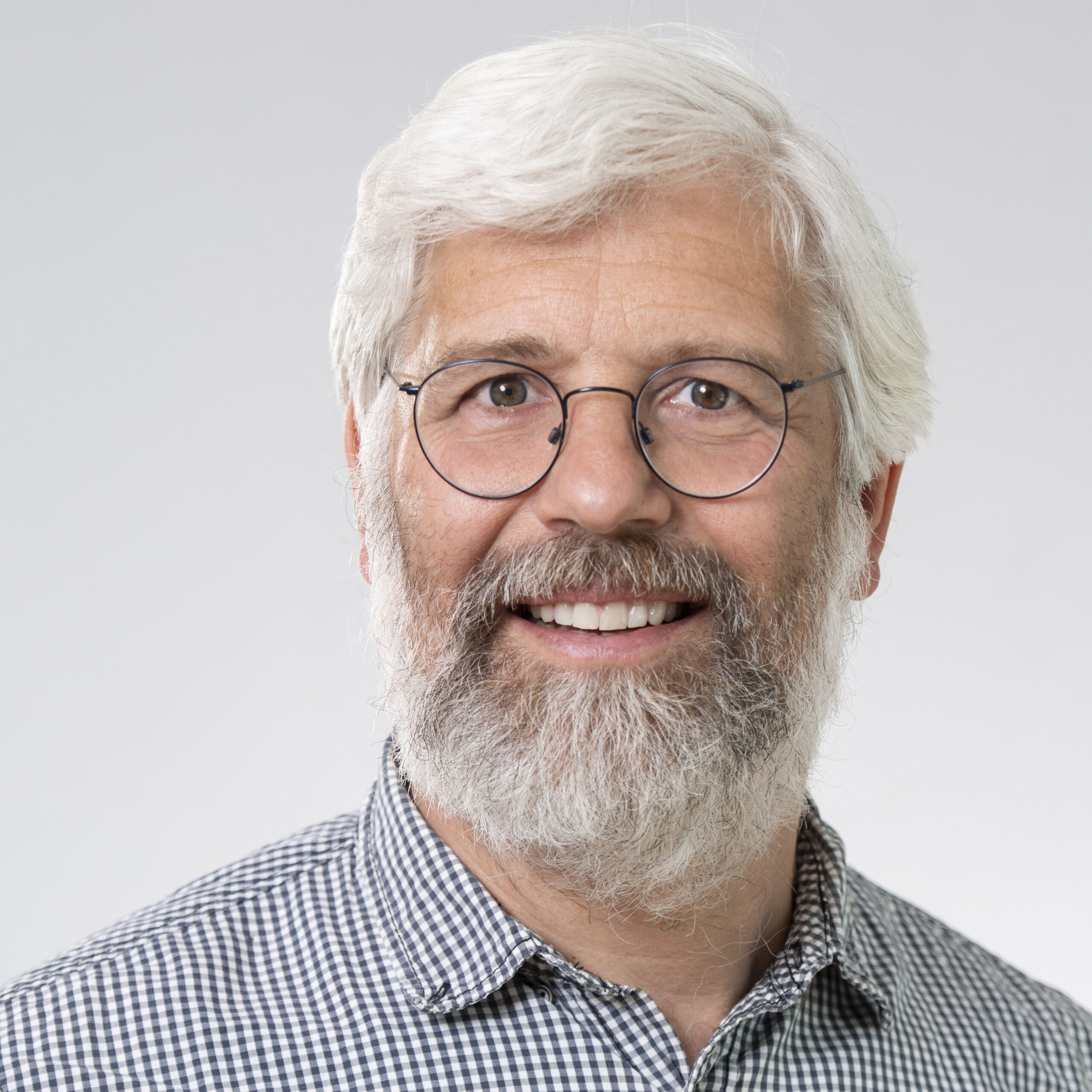
Ullrich Köthe
Explainable AI
Interdisciplinary Center for Scientific Computing (IWR)

Viktor Ksoll
Star Formation
Centre for Astronomy of Heidelberg University (ZAH)
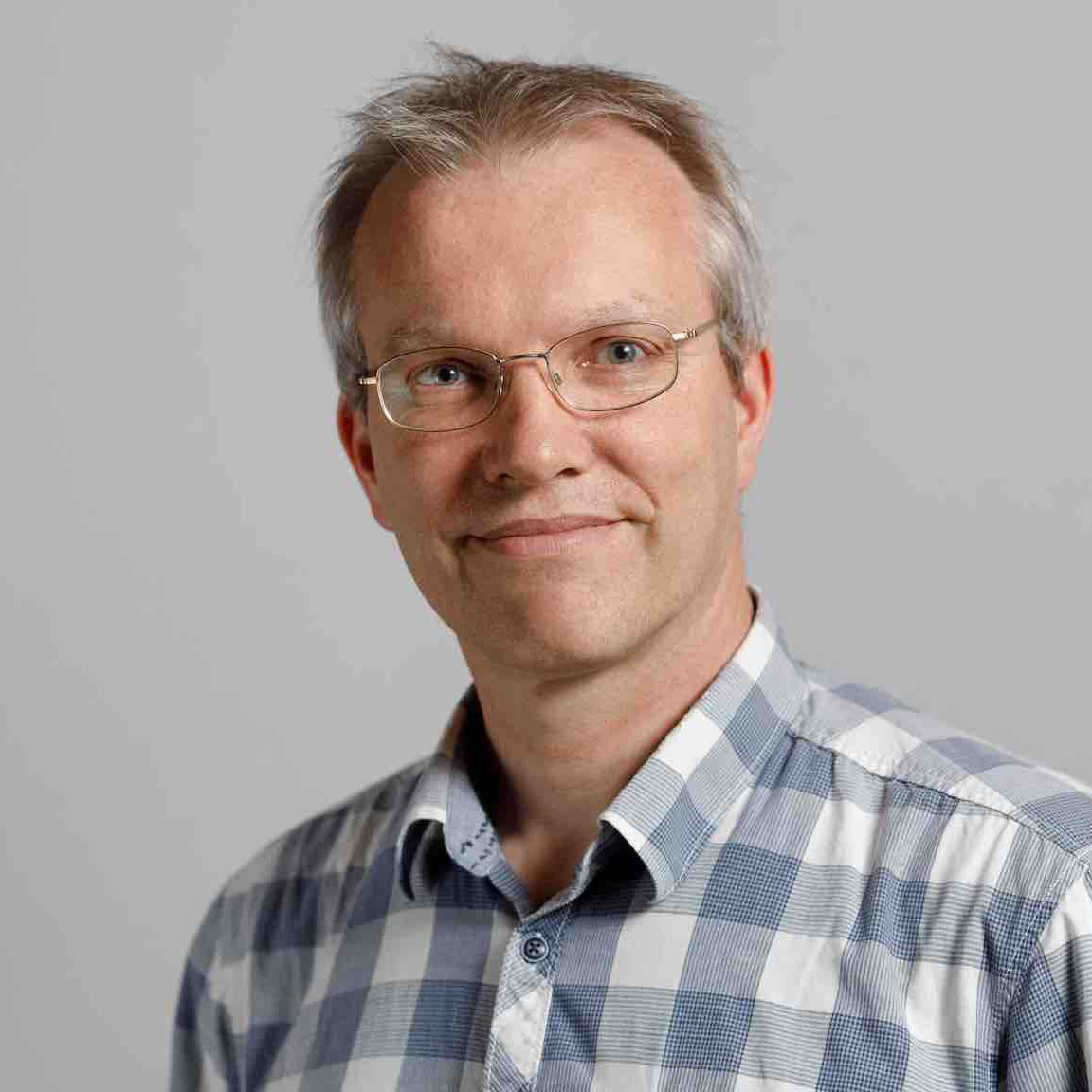
Jan Pawlowski
Strongly Correlated Systems
Institute for Theoretical Physics (ITP)

Annalisa Pillepich
Numerical Cosmology
Max Planck Institute for Astronomy (MPIA)

Carsten Rother
Computer Vision
Interdisciplinary Center for Scientific Computing (IWR)

Björn Malte Schäfer
Cosmology & Statistics
Centre for Astronomy of Heidelberg University (ZAH)
Scientific AI in Heidelberg
In and beyond physics, scientific AI is rapidly shaping research across disciplines. In Heidelberg, an ecosystem of initiatives explores scientific AI. Working together improves our research and our student training far beyond what individual groups could ever achieve.
STRUCTURES Cluster of Excellence

Interdisciplinary Center for Scientific Computing – IWR
European Laboratory for Learning and Intelligent Systems – ELLIS Heidelberg
Scientific Machine Learning Initiative – MLAI

Center for Digital Humanities – HCDH
