Newsroom
Stay informed with our latest news and announcements on this page. For more in-depth content, we also encourage visitors to explore our bimonthly STRUCTURES Newsletter magazine, which features a variety of articles, interviews with members, and background information on our latest research and activities.

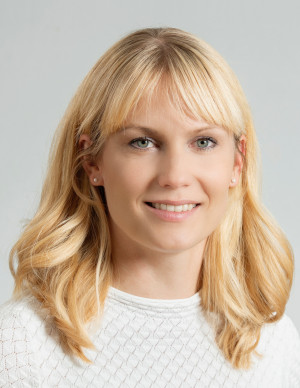
We are delighted to announce that our member Dominika Wylezalek, research group leader at the Centre for Astronomy (ZAH) of Heidelberg University, has been accepted as a new member of Die Junge Akademie at its annual ceremony on June 22. Throughout her five-year membership, Dr. Wylezalek will have the opportunity to initiate or join interdisciplinary research projects and working groups on topics such as climate change, science communication, and engaged science.
Founded in 2000 as the first academy for exceptional young academics, Die Junge Akademie brings together members from all scientific disciplines and the arts. The Academy explores the potential and boundaries of interdisciplinary work, fostering dialogue between science, art, and society, while driving discussions on science policy. Its 50 members collaborate on numerous joint initiatives, benefiting from a growing network of distinguished scientists and artists. In addition to research, members engage in projects that bridge science, art, and society, contributing their ideas to shape the future of the scientific community.
Further information and links:
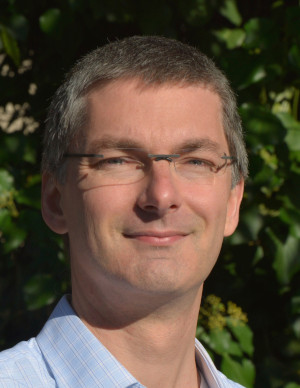
We are delighted to announce that our member Ralf Klessen, research group leader at the Centre for Astronomy (ZAH) of Heidelberg University, is selected as a fellow for the 2024–2025 academic year at Harvard Radcliffe Institute. As the Elizabeth S. and Richard M. Cashin Fellow, Ralf Klessen will collaborate with Harvard researchers to explore the Local Bubble – the Sun's environment as part of the larger Galactic ecosystem – and to learn more about our origins and place within the Milky Way. He will use advanced simulations and observations to better understand the complex processes of stellar birth. Klessen looks forward to the fellowship's interdisciplinary opportunities, enhancing the diverse nature of his astrophysical research and encompassing the arts and humanities as well.
The Harvard Radcliffe Institute is one of the world’s foremost centers for interdisciplinary research, bringing together scholars, artists, and professionals from diverse fields to explore complex questions and expand human knowledge. Each year, it selects a group of accomplished individuals as fellows to join its creative community, where they pursue ambitious projects and collaborate across disciplines, including the humanities, sciences, social sciences, and arts. In 2024, its 25th anniversary year, the Institute awarded 53 fellowships, providing recipients access to Harvard’s unparalleled resources, offering them a unique opportunity to pursue ambitious projects in a collaborative and intellectually stimulating environment.
Further information and links:
We are pleased to announce the conference Structures on Singular Spaces through the Lens of Characteristic Classes, to be held September 16 - 20, 2024. Organized by Prof. Markus Banagl (Institute for Mathematics, Heidelberg) and Prof. Laurentiu Maxim (University of Wisconsin at Madison), the conference aims at representing a wide variety of global viewpoints in recent developments concerning topological, analytic and algebraic aspects of characteristic classes for singular spaces, as well as of their lifts to orientation classes in various general homology theories such as K- and L-groups. The talks will take place in Mathematikon INF 205, Konferenzraum 5.104. For more information, please consult the conference webpage:
https://www.mathi.uni-heidelberg.de/~banagl/confcharclasses.htm
The programme includes two introductory mini-courses intended for young researchers.
The meeting is supported by the Cluster of Excellence STRUCTURES.
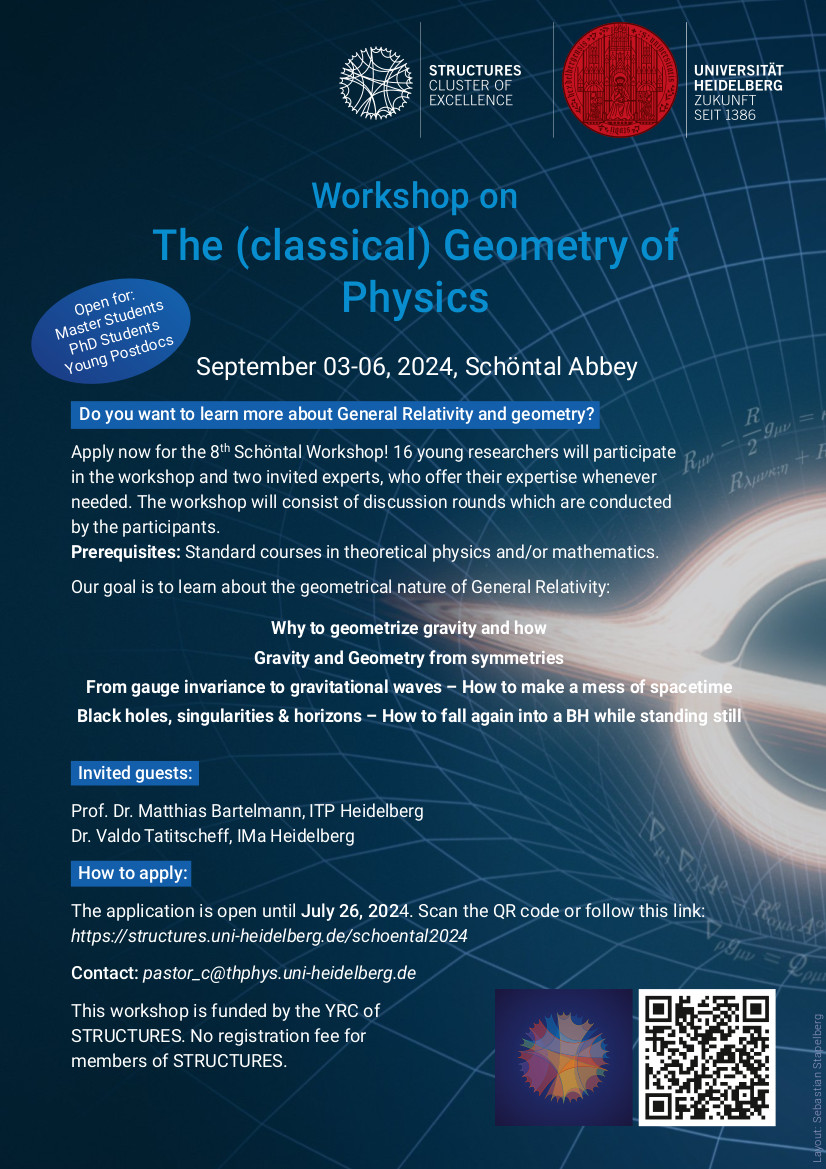
We are happy to announce this year's iteration of the Schöntal Discussion Workshop on The (classical) Geometry of Physics, which will take place from September 03-06, 2024. The Schöntal workshop has been called into life a few years ago and is designed to stimulate discussions between members of the YRC about a specific topic. It is targeted towards young researchers from physics and mathematics. Registration is open until July 26, 2024.
Further information:
We are delighted to announce the talk by Robert Ott (Universität Innsbruck / IQOQI) on “Probing Long-Range Topological Entanglement in Quantum Simulators” on Monday, July 15, 2024, at 1 pm in the seminar room at Philosophenweg 16:
Abstract:
Quantum simulators offer new ways of addressing the long-range entanglement structure of topologically ordered phases of matter. However, measuring entanglement on large subsystems is costly, such that the detection of topological entanglement across long distances becomes unfeasible. Here, we propose a protocol to overcome this challenge by adiabatically deforming the state into geometries where universal long-range entanglement can be efficiently extracted from smaller subregions. Our protocol is general and readily applicable to various quantum simulation architectures. We illustrate our scheme for various string-net models representing both abelian and non-abelian topologically ordered phases, and illustrate an application with neutral atom tweezer arrays.
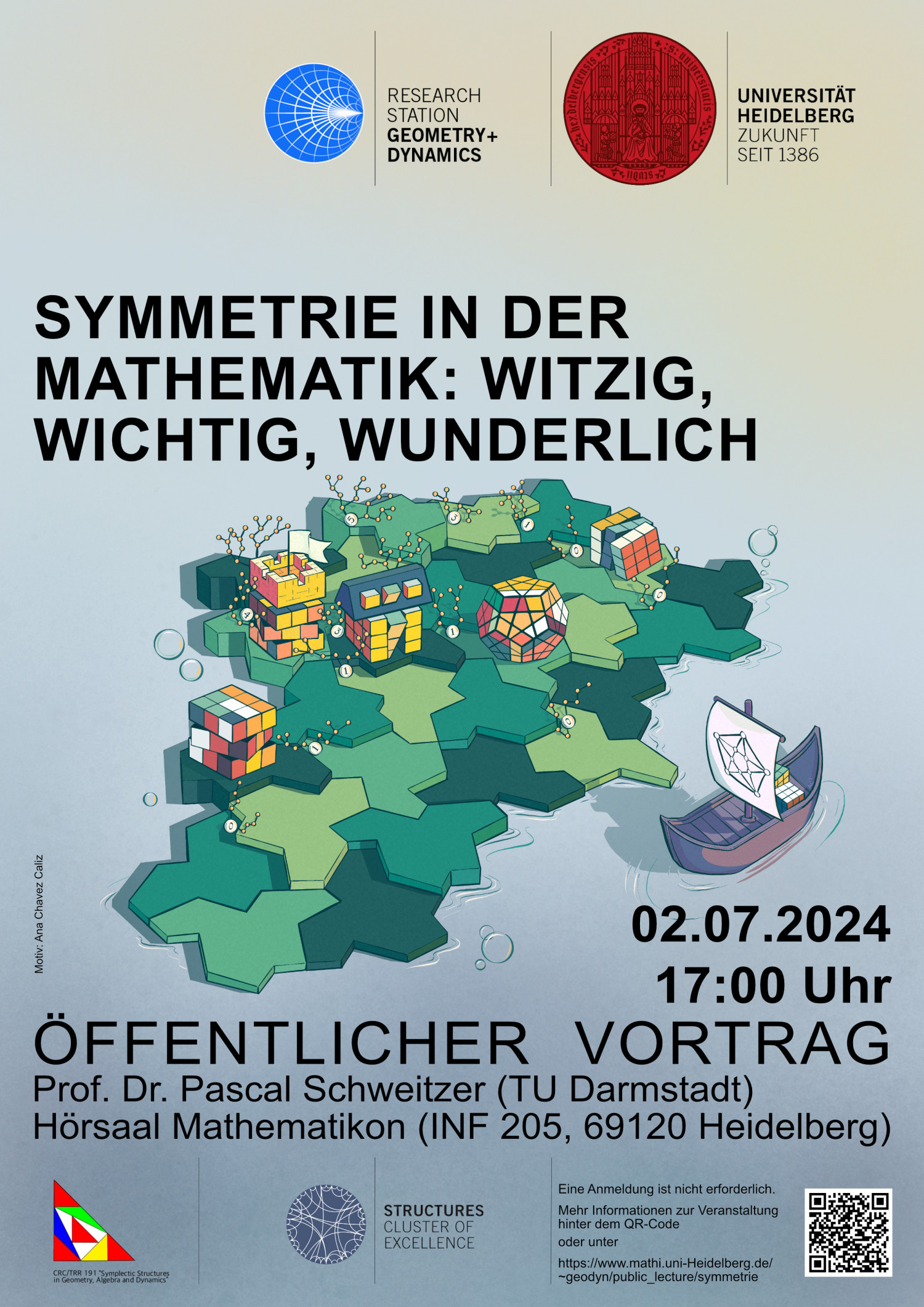 Click on the image for a larger version of the poster.
We are delighted to announce the public lecture by Prof. Dr. Pascal Schweitzer from TU Darmstadt on “Symmetrie in der Mathematik: witzig, wichtig, wunderlich”. The talk, organized by the Research Station Geometry + Dynamics in collaboration with the STRUCTURES Cluster of Excellence, will take place next Tuesday, July 2, at 5pm in the Hörsaal of the Mathematikon.
Abstract (the talk will be in German, but at low level and well accessible):
In den Naturwissenschaften treffen wir Symmetrien immer wieder und in facettenreicher Weise an. Ob bei den Strukturen von Molekülen, in der Form von Seifenblasen oder als fraktale Mandelbrotmenge, bieten uns Symmetrien manchmal eine Chance für besseres Verständnis und bereiten uns an anderer Stelle zusätzliche Schwierigkeiten.
Im Vortrag lade ich zu einem Einblick in die mathematische Welt der Symmetrie ein. Die Reise beginnt mit Beispielen von Symmetrien aus dem Leben, wie eine Fliesen-Kachelung, geht über die Symmetrien des Zauberwürfels, bis hin zur Beschleunigung von Algorithmen. Als Gegenpol erleben wir auch die Abwesenheit von Symmetrie, also Asymmetrie, und deren Konsequenz.
Die Mathematik formalisiert das Konzept der Symmetrie mit einem grundlegenden mathematischen Konzept, einer sogenannten "Gruppe". Die mathematische Theorie der Gruppen ist ein tiefes, etabliertes Teilgebiet der Mathematik. Der Vortrag liefert ebenfalls flüchtige Anekdoten aus der algorithmischen Gruppentheorie, also der computergestützten Behandlung von Symmetrien.
The lecture is aimed at the mathematically interested public, especially high school students and above. Everyone interested in learning more about exciting detours and discoveries in mathematics is warmly invited to attend.
Participation is free of charge, and no registration is required. The talk will also be streamed live on YouTube:
https://www.youtube.com/watch?v=EUPqHBrgG10.
Further Information & Links:
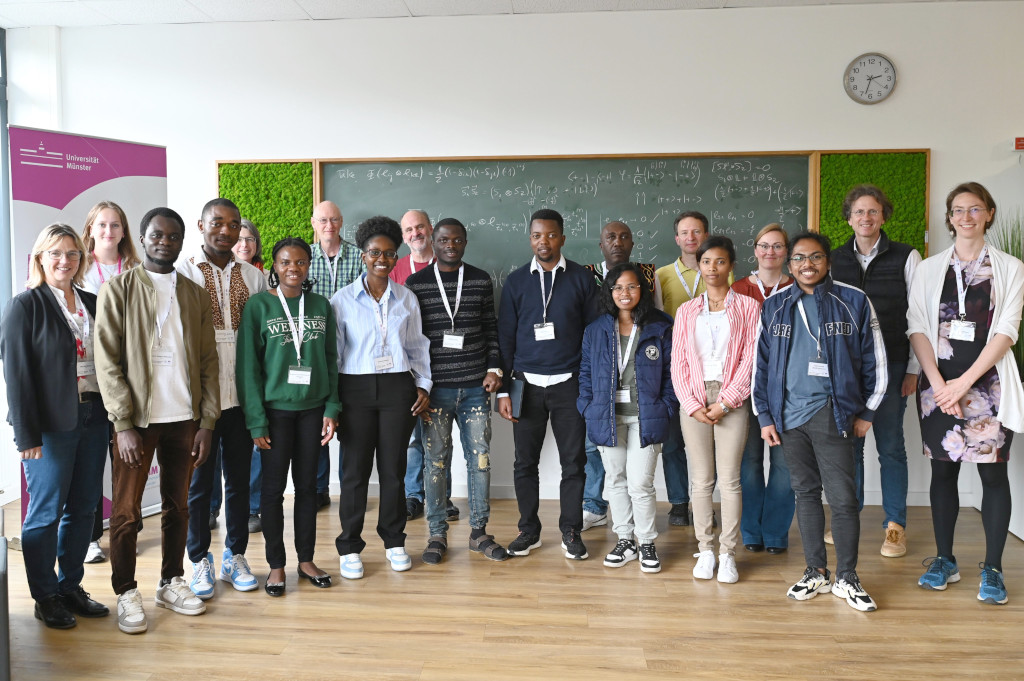 YAM fellows 2023/2024 with mentors and staff from the cluster network. (© Mathematics Münster)
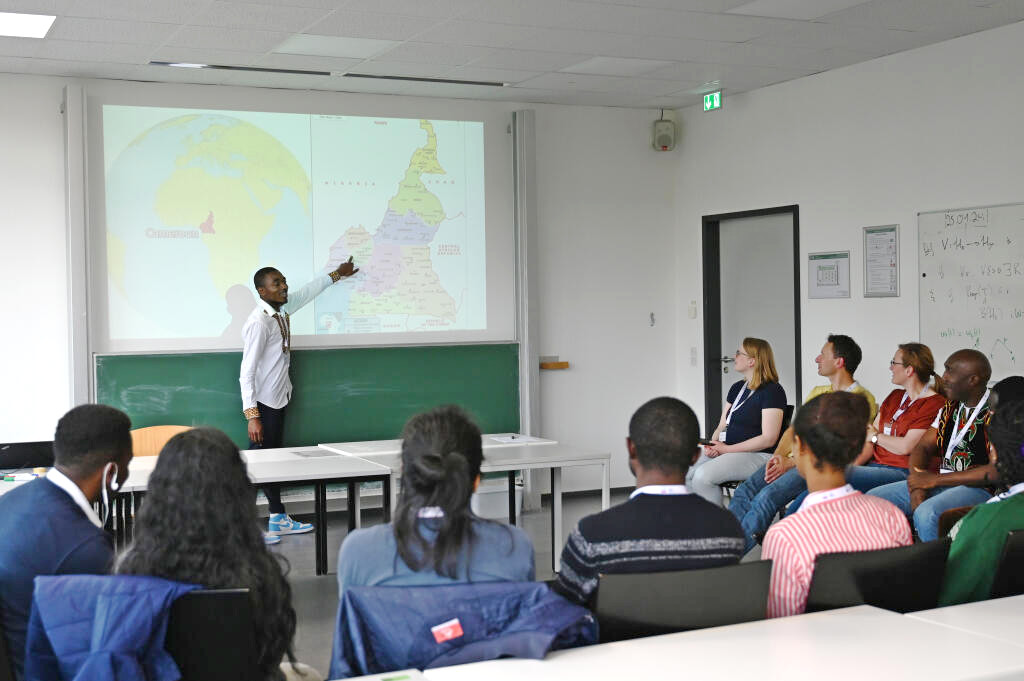 The YAM fellows gave presenations on their time in Germany, their academic and personal learnings and their plans. (© Mathematics Münster)
The 2023/24 Young African Mathematicians (YAM) fellows and representatives from Berlin, Bonn, Heidelberg, and Münster gathered at Mathematics Münster on Monday, 17 June 2024, to exchange experiences and build enduring connections within the YAM network.
During the meeting, YAM fellows presented insights and learnings from their research experiences in Germany. A panel discussion featuring Prof. Dr. Franca Hoffmann, initiator of the YAM programme, Prof. Dr. Raimar Wulkenhaar, Dr. Fridolin Melong, AIMS-DFG fellow at Mathematics Münster, Prof. Dr. Anna Gusakova and Dr. Kristina Wensing provided valuable tips, advice and insights on (academic) careers in and outside Germany. The discussion was moderated by Dr. Imke Franzmeier. The day concluded with a feedback session and a joint dinner at “Das Blaue Haus,” a popular student pub in Münster.
The YAM Fellowship Programme supports talented and motivated young African mathematicians at a master’s level. Through immersing themselves in the activities at one of the four German excellence clusters, students can profit from the high-quality international research environment of the host institution and ultimately increase their own network. The programme includes a nine-month research visit with a structured course programme, stipend covering travel, living, and accommodation costs, as well as comprehensive personal and practical support from advisors, YAM coordinators, peers, and staff.
The STRUCTURES Cluster of Excellence is proud to have hosted YAM fellows Richarlotte Razafindravola and Olivette Tchouangnou Chuagua during the 2023/24 period. Their research was supervised by Felix Joos, Roland Herzog, Hans Knüpfer, and Robert Scheichl, with additional support from YRC students Louise Kluge and Maximilian Siebel, who provided invaluable mentorship in a supportive learning environment. The organisation of the stay is in the hands of the coordinators Hans Knüpfer and May-Britt Becker as well as the members of the STRUCTURES office.
Further information: